



Most Google Tag Manager (GTM) implementations still rely on client-side tracking, where the visitor’s browser is responsible for loading every tracking script from platforms like Google Analytics, Google Ads, Meta, LinkedIn, and others.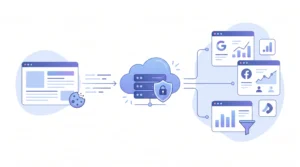
While this setup is simple and works well for many websites, it also comes with some trade-offs. Every additional tracking script increases the browser’s workload, which can slow down page loading. On top of that, browsers and ad blockers are becoming increasingly aggr
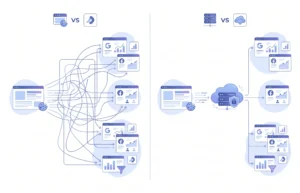
essive at restricting tracking, meaning some of your conversion data may never reach your analytics or advertising platforms.
Server-side tracking takes a different approach.
Instead of sending data directly from the browser to every platform, your website first sends the data to your own tracking server. The server then processes the information based on your configuration and forwards it to platforms like Google Analytics, Google Ads, Meta Conversions API, TikTok, LinkedIn, and others.
So, why go through the extra step?
There are three core reasons.
1. Better Website Performance
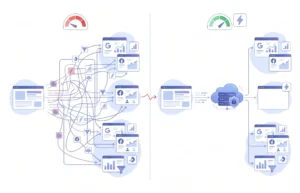
Rather than loading multiple tracking scripts in the visitor’s browser, the browser only communicates with your server. Your server handles the rest, reducing the number of third-party requests and helping improve overall page performance.
2. More Accurate Data
Using custom domains, first-party cookies, and server-side processing makes your tracking far more resilient against browser privacy restrictions and ad blockers. The result is cleaner, more reliable data that you can actually trust when making marketing decisions.
3. Richer Conversion Data
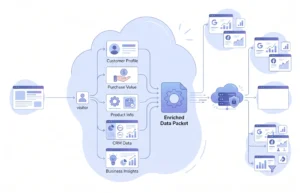
Because every event passes through your server first, you can enrich it with additional business information such as profit margins, customer lifetime value, CRM data, or customer status before sending it to advertising platforms. This richer data helps ad platforms optimize campaigns more effectively, often leading to lower customer acquisition costs and higher profitability.
Of course, server-side tracking isn’t completely free. You’ll need to host a tracking server, and the setup requires more technical knowledge than a traditional GTM implementation.
But if you’re spending money on advertising—or simply care about having accurate data—the benefits usually outweigh the additional cost and complexity.
In short, server-side tracking isn’t just about collecting more data. It’s about collecting better data, giving you greater control over it, and making every marketing decision more reliable.